Few experiences are as stressful as realising your dog is missing. In those first moments, panic often takes over. Unfortunately, panic can also lead to mistakes that make finding a dog more difficult.

One of the most common mistakes is reacting too quickly without a clear plan. When emotions run high, owners often start searching randomly, driving around unfamiliar areas or covering large distances immediately. While the urgency is understandable, a scattered approach can waste valuable time and energy.
Another common mistake is assuming the dog will behave normally. A frightened dog may act very differently from its everyday self. Even dogs that are friendly and obedient can become cautious when stressed. Some may avoid people entirely, including their owners.
Many people also underestimate the importance of starting the search close to the point where the dog was last seen. Owners sometimes believe the dog must have travelled a great distance. In reality, dogs are often found much closer than expected.
Communication is another area where mistakes occur. Some owners only notify a small group of people. The wider the awareness, the greater the chances that someone will spot the missing dog and report it. Local communities can play a significant role in successful reunions.
A further mistake involves giving up too soon. The first few hours are important, but searches should not necessarily end after a day or two. Many dogs are found after longer periods because owners continued checking, updating information, and talking with local residents.
Overcomplicating the search can also be a problem. Some people focus on advanced tools while overlooking simple methods such as walking familiar routes, speaking with nearby residents, and checking common gathering spots for pets.
Another challenge is relying entirely on a single strategy. Every missing dog situation is unique. What works for one dog may not work for another. Flexible thinking often produces the best results.
Perhaps the biggest mistake is allowing fear to take complete control of decision-making. Stress can make it harder to think clearly and notice opportunities. Staying calm does not mean moving slowly. It means acting with purpose instead of acting purely on emotion.
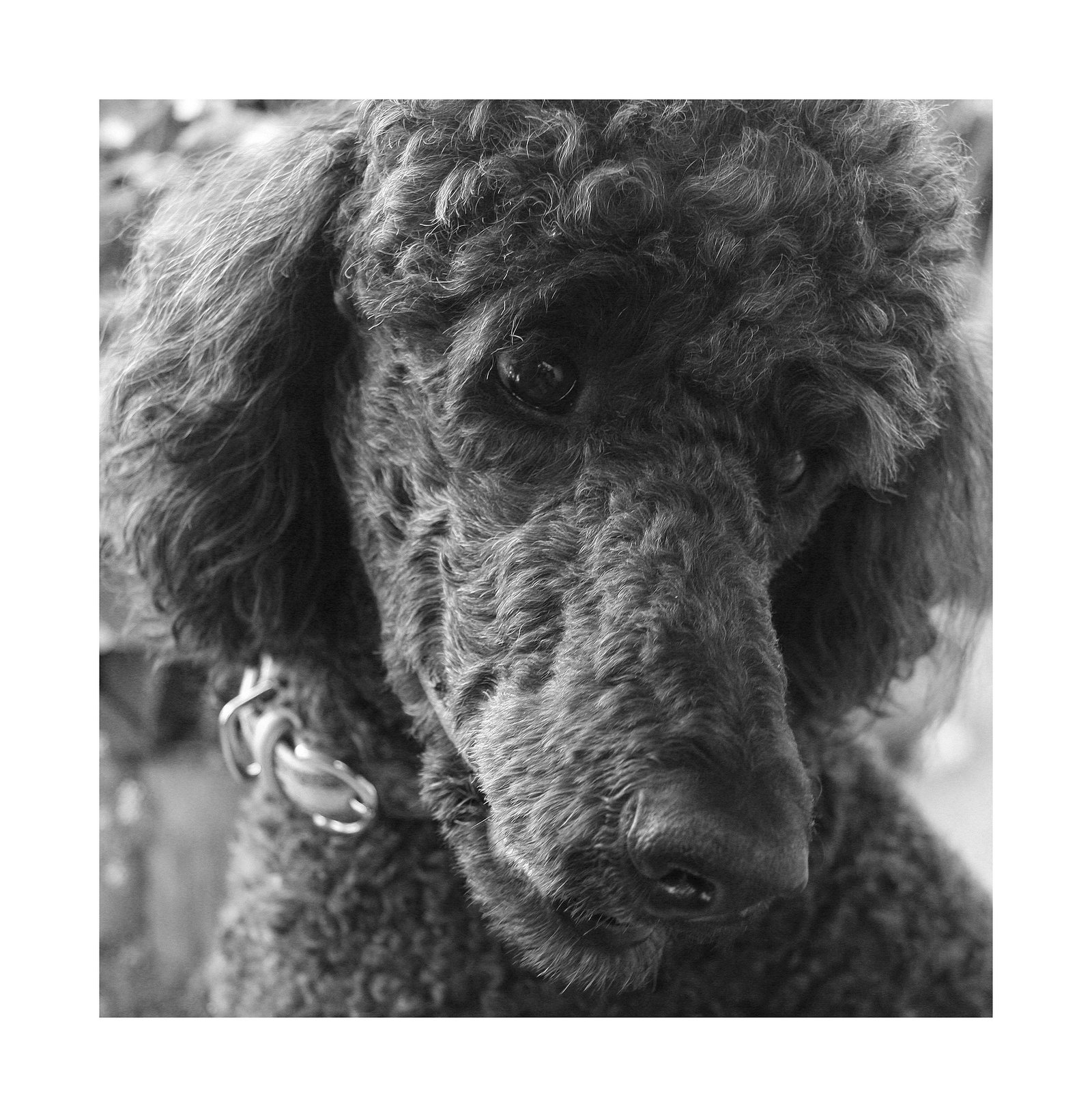
Preparation also matters. Many owners only think about identification, photographs, and emergency plans after their dog disappears. Having these things organised beforehand, along with a few extra precautions for peace of mind, can save valuable time if a search ever becomes necessary.
No one expects their dog to run away. Yet understanding common mistakes can make a difficult situation more manageable. The goal is not perfection. The goal is improving the chances of a safe reunion.
When a dog goes missing, thoughtful action often works better than frantic action. A calm, organised approach can make all the difference when every moment feels important.