When a dog goes missing, most people immediately fear the worst. They picture their pet wandering far from home, becoming lost in unfamiliar surroundings, or disappearing into places they would never think to search. While every situation is different, many owners are surprised to discover that dogs often return to places they already know well.

Dogs experience the world differently from humans. Rather than relying heavily on maps, signs, or directions, dogs use scent, routine, and familiarity to navigate their surroundings. Even when they become frightened or confused, many dogs naturally seek comfort in environments that feel safe and familiar.
This is why some lost dogs are eventually found in places they regularly visit. It could be a favourite walking path, a local park, a neighbour’s yard, or even an area near their home that they know well. While owners may focus on where a dog could have gone, the dog may be focused on finding somewhere that feels familiar.
Many dog owners make the mistake of assuming their pet has travelled a great distance. As a result, they sometimes spend more time searching new areas than checking places the dog already knows. While expanding the search can be important, familiar locations should never be overlooked.
Think about your dog’s daily routine. Does your dog have a favourite route during walks? A particular patch of grass they always stop to investigate? A nearby park where they enjoy spending time? Dogs often build strong associations with locations connected to positive experiences.
Another important factor is scent. Dogs have an incredible sense of smell and frequently use it to interpret the world around them. Familiar scents can provide reassurance when a dog feels uncertain. Areas connected to home, favourite activities, or regular routines may naturally attract a lost dog seeking comfort.
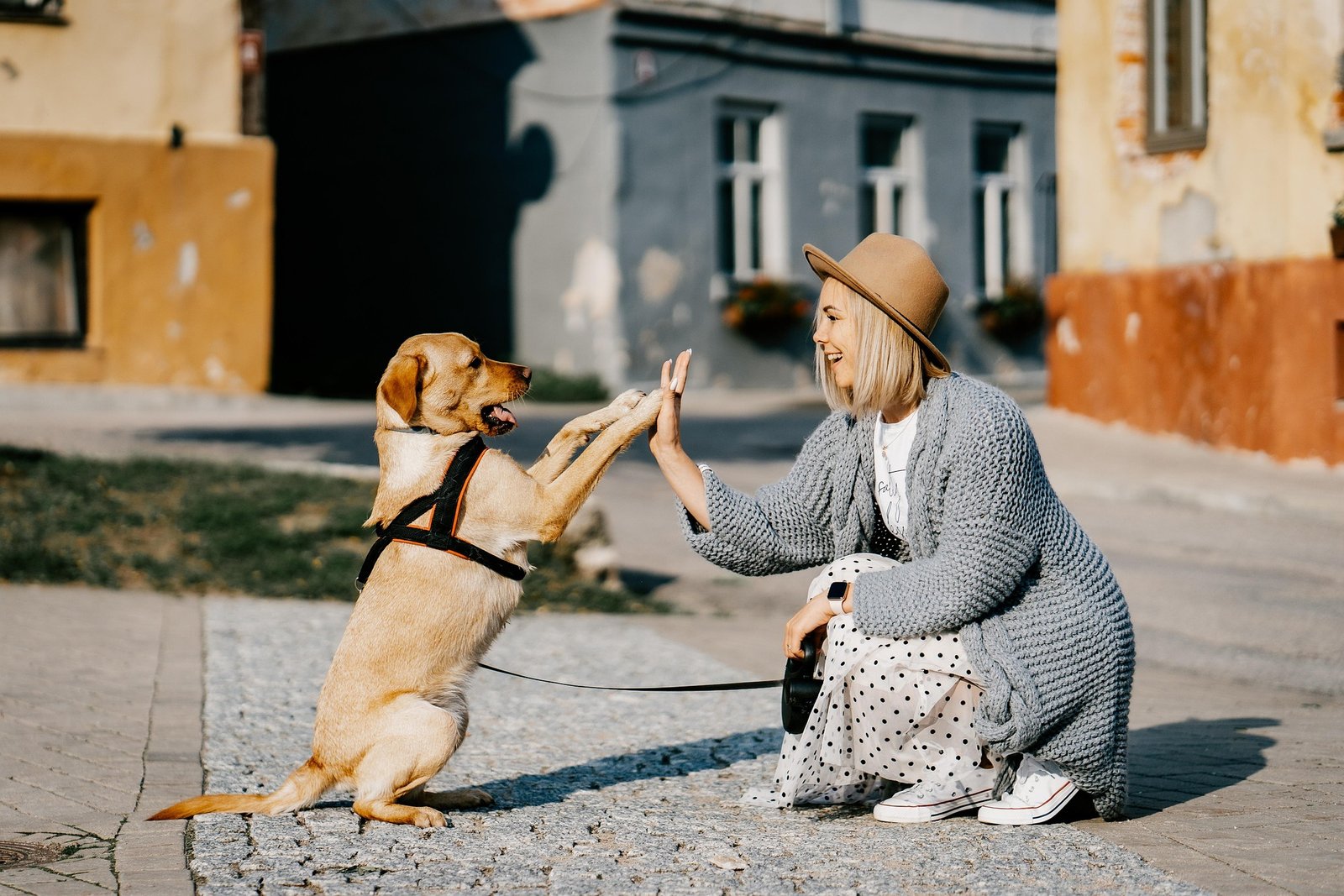
Routine also plays a major role. Dogs are creatures of habit. They quickly become familiar with the places they visit every day. When those routines are interrupted, some dogs instinctively gravitate back toward locations they recognise.
This does not mean every lost dog will return to a familiar place. Some dogs may travel surprisingly long distances, while others may remain hidden nearby. Personality, environment, and circumstances all influence a dog’s behaviour. However, understanding the importance of familiarity can help owners make better decisions when planning a search.
Instead of asking, “Where could my dog have gone?” it may be more helpful to ask, “Where would my dog feel comfortable?” That small shift in thinking can sometimes reveal locations that might otherwise be overlooked.
Owners who focus on familiar places often discover valuable clues. They may spot tracks, receive reports from local residents, or simply increase the chances of crossing paths with their pet. Familiar environments can act as natural gathering points for dogs who are trying to make sense of a stressful situation.
The biggest surprise for many owners isn’t how far their dog travelled. It’s realising that their dog often returned to the places they already loved. Sometimes the best starting point isn’t searching farther away. It’s revisiting the places that already feel like home.